


Secure Screening Services: A Critical Component of Modern Business Operations
- Sehrish Khan

- Dec 20, 2024
- 5 min read
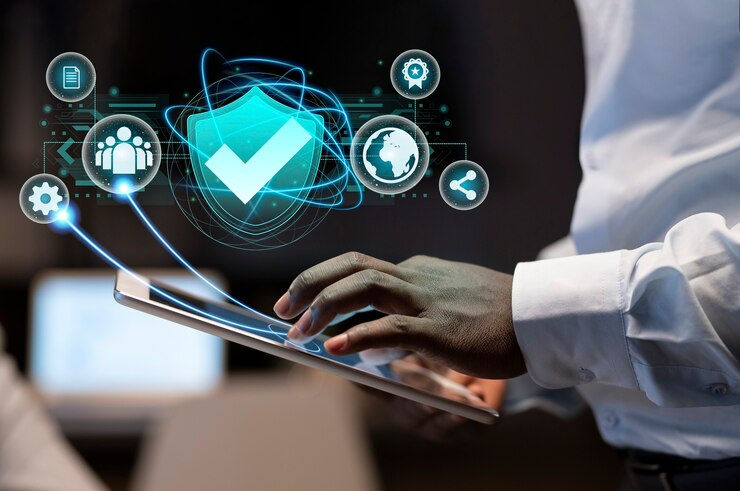
In an increasingly interconnected and digital world, the concept of security has evolved to encompass not only physical safety but also the safeguarding of sensitive information, assets, and reputations. Secure screening services have become a cornerstone of this broader security landscape, ensuring that individuals, organizations, and processes adhere to the highest standards of integrity and trustworthiness. From employment background checks to advanced security protocols for sensitive transactions, secure screening services play a pivotal role in enabling organizations to operate safely and efficiently.
The Importance of Secure Screening Services
Secure screening services are designed to verify identities, credentials, and backgrounds, providing organizations with the confidence to make informed decisions. These services are essential in various sectors, including human resources, financial institutions, healthcare, education, and government. They mitigate risks by preventing fraud, identifying potential threats, and ensuring compliance with regulatory standards.
For instance, in the hiring process, employers rely on secure screening services to verify the qualifications, work history, and criminal records of potential candidates. This helps prevent negligent hiring, reduces workplace risks, and fosters a safer and more productive environment. Similarly, in the financial sector, secure screening services ensure the legitimacy of clients and transactions, protecting institutions from money laundering and identity theft.
Key Components of Secure Screening Services
The comprehensive nature of secure screening services makes them adaptable to various needs. These services typically encompass several components, each tailored to specific risk factors and operational requirements:
Background ChecksBackground checks are one of the most common applications of secure screening services. They involve verifying a candidate’s education, employment history, criminal record, and references. Advanced screening processes may also include social media analysis and credit checks to provide a holistic view of an individual’s profile.
Identity VerificationAccurate identity verification is crucial in both physical and digital spaces. Secure screening services employ biometric systems, document authentication, and facial recognition technologies to ensure that individuals are who they claim to be. This is especially important in high-security environments such as airports, banks, and government facilities.
Compliance and Regulatory ChecksOrganizations operating in highly regulated industries often rely on secure screening services to ensure compliance with legal and industry standards. This includes verifying professional licenses, certifications, and adherence to ethical guidelines.
Risk AssessmentsSome secure screening services specialize in assessing potential risks associated with individuals or entities. These assessments help organizations anticipate challenges and implement preventive measures.
Data ProtectionSecure screening services are entrusted with handling sensitive personal and organizational data. As such, they must comply with stringent data protection regulations like the General Data Protection Regulation (GDPR) and ensure that all screening processes are transparent, ethical, and confidential.
The Role of Technology in Secure Screening Services
Technology is a driving force behind the efficiency and effectiveness of secure screening services. Advanced tools and platforms have revolutionized traditional screening methods, making them faster, more accurate, and more scalable.
Artificial Intelligence and Machine Learning
AI and machine learning are integral to modern secure screening services. These technologies can analyze vast amounts of data in real-time, identify patterns, and flag potential discrepancies or risks. For example, machine learning algorithms can detect fraudulent documentation or unusual financial transactions with high precision.
Blockchain for Data Integrity
Blockchain technology is increasingly being used to enhance the security and transparency of screening processes. By creating immutable records of transactions and verifications, blockchain ensures the integrity of data and prevents tampering.
Biometric Systems
Biometric systems, such as fingerprint scanning, retina recognition, and facial authentication, have become standard in secure screening services. These technologies provide a higher level of security than traditional identification methods, reducing the likelihood of identity theft and fraud.
Cloud-Based Platforms
The adoption of cloud-based platforms has streamlined secure screening services, allowing organizations to access real-time screening results and insights from anywhere in the world. These platforms also facilitate seamless integration with existing enterprise systems, enhancing overall efficiency.
Applications Across Industries
The versatility of secure screening services makes them indispensable across a wide range of industries. Below are some examples of how these services are utilized:
Human Resources
In the recruitment process, secure screening services ensure that candidates meet the necessary qualifications and have a clean record. This is especially critical in industries like healthcare, education, and law enforcement, where trust and reliability are paramount.
Financial Services
Financial institutions use secure screening services to comply with anti-money laundering (AML) and know-your-customer (KYC) regulations. These services help prevent fraudulent activities and protect the integrity of financial systems.
Healthcare
In the healthcare sector, secure screening services are used to verify the credentials of medical professionals and ensure compliance with regulatory standards. This helps maintain patient safety and organizational reputation.
Travel and Transportation
Airports, shipping companies, and other transportation entities rely on secure screening services for passenger screening and employee background checks. These measures enhance safety and ensure smooth operations.
Education
Educational institutions use secure screening services to vet potential employees, safeguarding students and staff. They also verify academic credentials to maintain the credibility of their programs.
Challenges and Considerations
Despite their numerous benefits, secure screening services are not without challenges. Organizations must navigate legal and ethical concerns, such as respecting privacy rights and avoiding discriminatory practices. Transparency is key to ensuring that screening processes are perceived as fair and unbiased.
Another challenge is keeping up with evolving threats and technologies. Cybercriminals continually develop new methods to bypass security measures, necessitating constant innovation in secure screening services.
Cost can also be a consideration, especially for small and medium-sized enterprises (SMEs). However, the long-term benefits of mitigating risks and avoiding potential liabilities often outweigh the initial investment.
The Future of Secure Screening Services
As the world becomes more interconnected, the demand for secure screening services will continue to grow. Innovations in artificial intelligence, biometrics, and blockchain are expected to further enhance the accuracy and efficiency of these services. Additionally, the integration of secure screening services with broader security frameworks will enable organizations to adopt a more holistic approach to risk management.
Moreover, as awareness of data privacy and ethical considerations increases, secure screening services will likely place greater emphasis on transparency and compliance. This includes providing individuals with clear information about the screening process and ensuring that their data is handled responsibly.
Conclusion
Secure screening services are an essential component of modern security strategies, offering a robust solution to mitigate risks and ensure compliance in a wide range of industries. By leveraging advanced technologies and adhering to ethical practices, these services empower organizations to make informed decisions and maintain trust with stakeholders.
In a world where security threats are constantly evolving, secure screening services will remain a critical tool for safeguarding people, assets, and reputations. Their importance cannot be overstated, as they provide the foundation for a safer and more secure future for businesses and society at large.


Comments