


Lymphatic Drainage Massage: A Pathway to Health
- Sehrish Khan

- Dec 18, 2024
- 4 min read
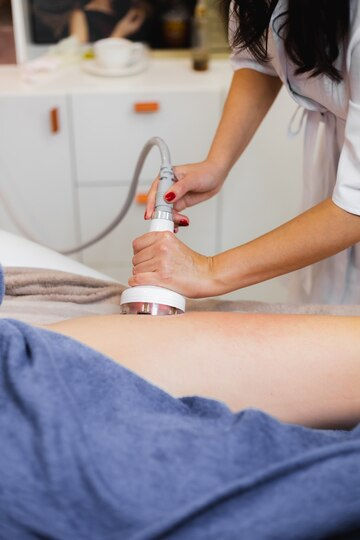
The lymphatic system is an essential yet often overlooked component of the human body, playing a crucial role in immune function and fluid balance. Lymphatic drainage massage, a specialized therapeutic technique, has gained significant attention for its ability to support this vital system. By promoting the movement of lymph—a clear fluid containing white blood cells, proteins, and waste products—this massage technique can enhance overall health and wellness. In this article, we will delve into the concept, benefits, and techniques of lymphatic drainage massage, while exploring its potential applications for various health concerns.
Understanding the Lymphatic System
Before delving into the massage itself, it is important to understand the function of the lymphatic system. Composed of lymph nodes, vessels, and organs such as the spleen and thymus, this system acts as the body's internal filtration and transportation network. It collects excess fluid from tissues, removes waste products and toxins, and transports immune cells to areas of infection or injury.
Unlike the circulatory system, the lymphatic system does not have a central pump, such as the heart, to move lymph through the body. Instead, it relies on muscle contractions, breathing, and external factors like massage to stimulate its flow. This is where lymphatic drainage massage becomes particularly valuable, providing a gentle and effective way to enhance lymph movement.
What is Lymphatic Drainage Massage?
Lymphatic drainage massage is a therapeutic technique designed to stimulate the natural flow of lymph fluid. It involves gentle, rhythmic strokes and light pressure applied in the direction of lymph flow, typically toward the heart. The primary goal of this massage is to reduce blockages in the lymphatic system, facilitating the removal of toxins and excess fluids.
Developed in the 1930s by Dr. Emil Vodder, a Danish physiotherapist, lymphatic drainage massage is based on the principle that a properly functioning lymphatic system is essential for overall health. Over the decades, it has been refined and integrated into various therapeutic and medical practices, from physical therapy to cosmetic treatments.
Benefits of Lymphatic Drainage Massage
Detoxification and Improved Circulation One of the key benefits of lymphatic drainage massage is its ability to aid detoxification. By promoting the efficient removal of waste products and toxins, it supports the body’s natural detox systems. Enhanced circulation further ensures that oxygen and nutrients are delivered to tissues, improving their overall health.
Reduction of Swelling and Edema Individuals suffering from lymphedema or swelling due to surgery, injury, or chronic conditions often find relief through lymphatic drainage massage. The technique helps to reduce fluid buildup in tissues, alleviating discomfort and restoring mobility.
Enhanced Immune Function A well-functioning lymphatic system is integral to a strong immune response. By facilitating the transport of lymphocytes (white blood cells), lymphatic drainage massage can help the body defend against infections and illnesses more effectively.
Skin Health and Anti-Aging Lymphatic drainage massage is popular in the realm of skincare for its ability to reduce puffiness, minimize the appearance of fine lines, and improve complexion. By eliminating toxins and reducing fluid retention, it promotes a youthful, radiant glow.
Stress Relief and Relaxation The gentle, repetitive movements of lymphatic drainage massage have a calming effect on the nervous system, making it an excellent option for stress relief. Many people report feeling deeply relaxed and rejuvenated after a session.
How Lymphatic Drainage Massage Works
The process of lymphatic drainage massage involves specific techniques tailored to stimulate lymph flow. Here are the basic steps:
PreparationThe therapist begins by assessing the client’s needs and identifying areas of tension or swelling. A calm and comfortable environment is set up to enhance relaxation.
Clearing Key Lymphatic AreasThe massage starts with the clearing of key lymphatic regions, such as the neck, armpits, and groin. These areas contain clusters of lymph nodes and serve as drainage points for the lymphatic system.
Gentle StrokesUsing light, circular motions or sweeping strokes, the therapist works on the skin’s surface. The pressure is intentionally gentle to avoid compressing lymphatic vessels.
Directional FlowMovements are applied in the direction of lymphatic flow, typically toward the heart. This ensures that lymph is guided efficiently toward central drainage points.
Focus on Problem AreasSpecific areas with swelling or congestion may receive additional attention to promote fluid movement and relieve blockages.
Who Can Benefit from Lymphatic Drainage Massage?
Lymphatic drainage massage is suitable for a wide range of individuals, including those dealing with:
Lymphedema: This condition, often caused by damage to or removal of lymph nodes, leads to persistent swelling. Massage can provide significant relief.
Post-Surgery Recovery: Swelling and scarring after surgical procedures can be managed effectively with this technique.
Chronic Pain and Inflammation: Conditions such as fibromyalgia or arthritis may benefit from the improved circulation and reduced inflammation associated with lymphatic drainage massage.
Pregnancy-Related Swelling: Expectant mothers experiencing edema in the legs or feet may find relief through gentle lymphatic stimulation.
Athletes: Recovery from intense training or injuries can be accelerated with this therapeutic approach.
Self-Care and At-Home Techniques
While professional sessions are highly effective, individuals can also incorporate simple lymphatic drainage techniques into their self-care routines. Here are some tips:
Dry BrushingUsing a soft-bristle brush, gently stroke the skin in the direction of lymph flow before a shower. This technique stimulates lymphatic circulation and exfoliates the skin.
Hydration and MovementStaying hydrated and engaging in regular physical activity, such as walking or yoga, supports the lymphatic system naturally.
DIY MassageLearn basic lymphatic drainage techniques from a professional or online resources to perform on yourself. Focus on areas like the neck and face for daily rejuvenation.
Precautions and Contraindications
While lymphatic drainage massage is generally safe, certain conditions require caution or avoidance of the technique. These include:
Infections: Stimulating lymph flow during an active infection could worsen the condition.
Blood Clots: Massage may dislodge clots, leading to serious complications.
Heart or Kidney Conditions: Those with severe cardiovascular or kidney issues should consult a healthcare provider before receiving this massage.
Cancer: Individuals undergoing cancer treatment should seek medical advice, as massage could potentially interfere with treatment plans.
Conclusion
Lymphatic drainage massage is more than just a wellness trend—it is a scientifically supported technique with profound benefits for the body and mind. Whether used for managing swelling, enhancing immune function, or simply promoting relaxation, this gentle therapy offers a pathway to improved health. By understanding and embracing lymphatic drainage massage, individuals can take an active role in supporting their body's vital systems, leading to a greater sense of balance and vitality.


Comments